9 What Can We Do? Preparation for the Next Minimum
Take the Dalton and Maunder baselines as the operating analogue; every preparedness recommendation here improves resilience to extreme weather of any kind, even if the Grand Solar Minimum forecasts are wrong.
9.1 The Historical Baseline What Cold Periods Look Like
The historical record confirms that these epochs were not merely mild winters but extended periods of significant global cooling that triggered widespread famine, epidemic disease, and profound agricultural failure. [227] The evidence demonstrates that the primary threat was not just the cold itself, but the cascading failures in food production and public health that followed. [316] As noted in analyses of past solar minima, humanity has faced this danger before, and the manner in which we survived—through adaptation in housing, travel, and agriculture—offers a template for future preparedness. [298] The conditions of a small ice age constrain agricultural production, leading to famines that require long-term food storage and alternative heat sources to mitigate the massive power outages caused by ice and snow storms. [298] Therefore, understanding the specific impacts recorded in these historical texts is essential for developing a robust plan that addresses the real-world consequences of reduced solar activity, ensuring that our infrastructure and individual households are resilient enough to withstand the severe difficulties of a renewed Little Ice Age. Observers at St. The temperature at Fort Reliance, located 400 miles southeast of Fort Yukon, reached \(-69^{\circ}\) F (\(-56^{\circ}\) C), a figure that confirms the extreme thermal lows experienced in the region. [40] Natives reported that no winter of such severity had ever been known by them, highlighting the unprecedented nature of the event. [40] The consequences were dire: migrating birds arrived eight to ten days late, and the natives narrowly escaped starvation, being compelled in some cases to eat their dogs and the tanned sealskin covers of their boats. [40]
In the Gulf of Alaska and Yukon, oral accounts merge discussions of extreme cold with descriptions of surging glaciers, such as the Lowell and Malaspina, during the 19th century. These narratives, recorded by ethnographers like John Swanton and Frederica de Laguna, depict glaciers as sentient entities that respond to human behavior with surges or floods. [317]
The historical record of the late Little Ice Age reveals that climatic stress often compounded with other societal shocks, creating devastating feedback loops for vulnerable populations. [43] In northwestern North America, the convergence of environmental hardship and biological catastrophe proved particularly lethal for indigenous communities. [43] The mid-19th century smallpox epidemic, for instance, caused breaks in cultural memory and massive loss of life, forcing survivors to migrate to settlements like Guseix or Neskataheen. [39] This historical baseline establishes that cold periods do not merely lower temperatures; they destabilize the ecological and social foundations upon which human survival depends. [43] For instance, the Kaskawulsh Glacier advanced between 1405/1430 and 1440/1625, leaving spruce logs in its end moraine. [317] In most glacierized regions, the positions of glacier termini have been observed only sporadically for less than a century, meaning that although dominant recession is commonly inferred, data are generally inadequate to construct long and detailed time series. [317] Because minor fluctuations encompassing only a few years may point to important brief climatic reversals, these discontinuous records provide limited information, other than generalized long-term trends. [317] Most data from North America represent sporadic observations of this type, mainly confined to the last hundred years, with the earliest useful observations of Alaskan glacier termini made in the late 18th century, but repetitive surveys of selected glaciers did not begin until the 1930s. [317] By contrast, glacier observations in the European Alps extend back to the early part of the Little Ice Age, where some of the largest, most-accessible glaciers have been observed at frequent intervals since the 17th or 18th centuries. In a few cases, fluctuations of glacier termini during the past 2 centuries have been reconstructed in considerable detail using a combination of written descriptions, drawings, paintings, maps, and photographs. [317] For this reason, and because the Alps lie relatively close to Greenland where the long ice-core acidity record has been obtained, special attention is directed toward the fluctuations of these glaciers. Curves depicting the variations of glaciers in Greenland, Scandinavia, and Iceland commonly contain many fewer control points than the best Alpine examples and are therefore judged less reliable. [317] In these areas, historical observations have been supplemented by lichenometric dating of recent glacier variations. [317]
9.2 Grid and Energy Resilience
While terrestrial weather and human errors already account for $75-180bn annually in economic costs from power outages, the potential impact of geomagnetic storms represents a catastrophic risk to the infrastructure’s core components. [318] These storms are severe disturbances caused by solar storms in the upper layers of our atmosphere that induce currents in long conductors on the Earth’s surface, such as power lines. [318] The resulting geomagnetically induced currents can overload the electric grid system to trigger voltage collapse, or worse, damage a significant number of expensive extra-high voltage transformers. [318] This specific mechanism suggests that massive solar storms can severely damage electrical grid components via geomagnetically induced currents. The economic costs of such an event would be catastrophic, particularly because large transformer repairs and replacements occur on the timescale of weeks to months. [318][319][320] Therefore, understanding the likelihood of extreme geomagnetic storms and the specific vulnerabilities of the North American power grid is essential for assessing the regions at highest risk from this complex natural hazard. The implications for the insurance industry and society generally highlight that preparedness must address not just the frequency of outages, but the duration and severity of those caused by the physical destruction of key infrastructure. [318]
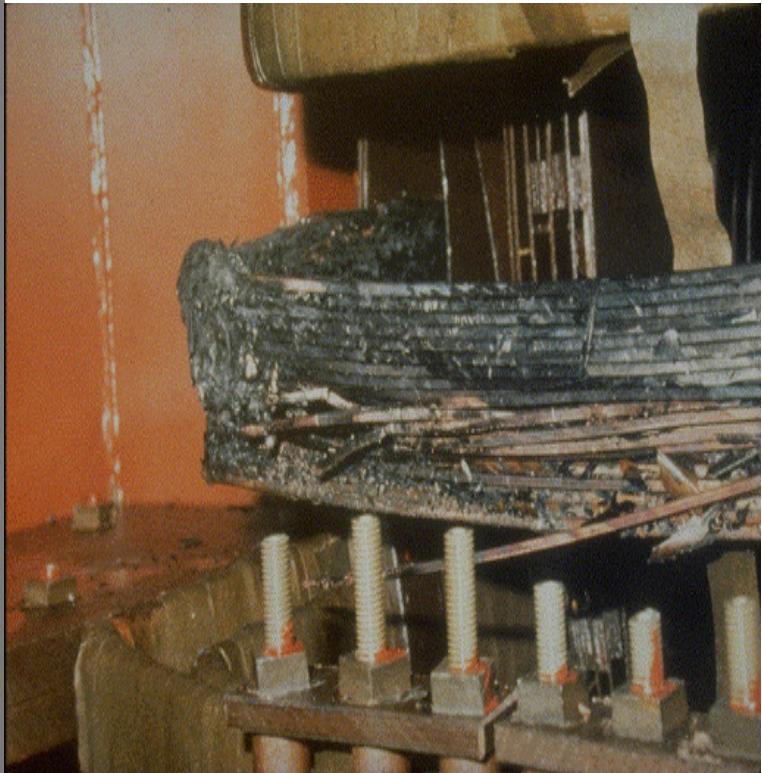
The vulnerability of the North American electric grid to geomagnetic storms reveals a critical fragility in modern infrastructure. [318] Severe disturbances caused by solar storms induce currents in long conductors, such as power lines, which can overload the system and damage expensive extra-high voltage transformers. [318] Consequently, the recovery from widespread solar storm damage may take months or years, potentially resulting in long-term widespread blackouts and chronic supply shortages. This prolonged disruption underscores the necessity for robust grid resilience strategies, including the establishment of a national electrical power grid control center to monitor transformers nationwide. [318][298][321][322] The ability to balance electrical loads from region to region is essential to spare at-risk transformers from destruction during intense geomagnetic storms. [321]
The 2008 Chinese winter storm demonstrates how extreme weather can paralyze transport, causing critical fuel shortages for power plants. Heavy snow and sleet halted coal shipments, leaving reserves at emergency levels sufficient for only eight days of generation. [53][49][52][40][87] This disruption triggered cascading blackouts affecting over thirty million people and created acute water shortages, as city systems require electricity to operate. [53] To prevent similar failures, adequate supplies of fuel, including coal, fuel oil, and LPG, must be stockpiled at electrical generation power plants by September 15 each year. [53] This preparation often necessitates constructing additional storage facilities. [323] Furthermore, the 2008 crisis suggests that extreme winter weather can paralyze transport, causing critical fuel shortages for power plants. Without robust fuel reserves and hardened transmission lines, the electrical grid remains vulnerable to the compounding effects of cold, snow, and logistical collapse. [53][49][52][40][87]
Extreme cold exposes critical vulnerabilities in residential heating systems, particularly when power outages coincide with sub-zero temperatures. [53] Consequently, distributed-generation and microgrid systems offer a vital redundancy, ensuring that local power can keep heating systems operational even if the central grid fails.
The vulnerability of modern infrastructure to electrical failure is starkly illustrated by the cascading impacts on essential services. [324] In urban areas with electrically dependent water infrastructure, electrical outages cause cascading failures in municipal water systems that rely on electricity, a reality that suggests the critical interdependence of these utilities. When the power grid fails, water in many homes would dry up after a few days because municipal water pumps are electric, leading to inoperative sewer systems that spill raw sewerage into rivers and lakes. [324] This dependency suggests that life without electricity for months or years is a major disaster, as the transportation system would be thrown into gridlock and gasoline stations would be unable to pump fuel. [52] The restoration of such systems is slow because most EHV transformers are large, costly items with a manufacture lead-time of a year or more, meaning a massive blackout could extend through many months. [52] Consequently, the threat of a master reset reveals that our technological world is vulnerable, requiring robust preparedness to prevent the loss of essential means of response and recovery during extreme weather events.
The structural integrity of long-distance power transmission systems is inherently compromised by the physics of electrical resistance and current flow. [318] As distance increases, so does the total resistance along each transmission line, while the current carried by the line also increases with distance, meaning the total risk rises with the total path length. [318] Because higher voltage lines offer less resistance, larger currents flow relative to lower voltage lines under identical surface electric fields. [318] Consequently, grids with low reserve capacity and long transmission lines appear to be significantly more susceptible to equipment damage and widespread blackouts during extreme geomagnetic events. This heightened susceptibility suggests that infrastructure planning must account for these cumulative risks to mitigate potential cascading failures. [324][318][318]
The vulnerability of long-distance transmission lines underscores the need for localized power generation. [325] When high-voltage transformers fail, replacement lead times can stretch from five to sixteen months, leaving regions without power for extended periods. [318] In such scenarios, the modern reliance on electricity for heating means that homes in cold environments will slowly lose heat and become unlivable without power, underscoring the urgent need for backup heat sources that do not depend on the grid. [53] However, the scale of modern energy dependence necessitates a proactive approach to fuel security and backup systems. By integrating lessons from extreme cold weather survival in places like Antarctica and northern Minnesota, societies can better prepare for the significant difficulties, including famines and epidemics, that accompany global cooling. [298] The emphasis on long-term food storage and alternative heating methods reflects a broader strategy of resilience that acknowledges the potential for prolonged periods of severe weather. [52] Ultimately, the ability to withstand these conditions depends on the robustness of energy infrastructure and the preparedness of individuals to adapt to a colder future.
9.3 Food Security and Agriculture
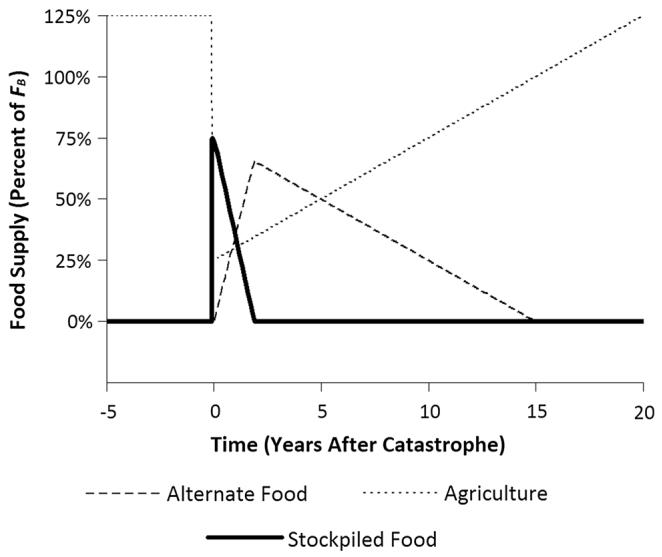
Analysis of extreme impact events suggests that a massive asteroid or comet strike would produce a global catastrophe, where unfavorable weather conditions and acid rain would severely retard food production, processing, and distribution. The infrastructure required to sustain modern populations would take a significant hit, with broken transportation lines inhibiting the movement of grains from processing centers to population hubs. [326][49][298][88][75] This damage to government, finance, communications, and energy systems would place recovery efforts into shambles, leading to starvation and famines in the general population. [326] A weakened population resulting from such starvation becomes vulnerable to disease, epidemics, and plagues, compounding the initial disaster. [269] The Plan de Preparación para el Gran Mínimo Solar highlights that a Grand Solar Minimum produces an era of great difficulties, including significant global cooling, great famines, and great epidemics. [298] Just as humanity survived the last such episode approximately 300 years ago through adaptation, we must prepare for the constraints on agricultural production that a small ice age imposes. [298] The conditions of a small ice age will constrain agricultural production, leading to famines, and necessitating preparation for long-term food storage. [53] Furthermore, great ice and snow storms produce massive cuts in electricity, making alternative heat sources essential. By studying survival methods in extremely cold climates like Fairbanks, Alaska, International Falls, Minnesota, and Antarctica, we can adapt our clothing, travel, and home designs. [298] This adaptation is crucial because the inability to quickly recover from damaged infrastructure leads to widespread suffering. [323] Therefore, understanding these global catastrophic risk scenarios establishes the necessity for robust, decentralized food and energy systems that can withstand both sudden impacts and prolonged climatic shifts. The “Genesis Strategy,” as termed by Schneider, proposes building reserves during periods of abundance to survive subsequent famines, a concept echoed by Maher and Baum in the context of global catastrophes. [327] Existing public and private reserves, ranging from FDR’s grain reserve to household supplies maintained by groups like the Church of Latter Day Saints, could theoretically support populations for four to seven months. [327] However, this approach suggests that food stockpiles are expensive to pre-catastrophe populations and can actively worsen pre-catastrophe food security by diverting resources from immediate consumption, particularly when built up rapidly in a world where hundreds of millions already face hunger. Furthermore, the sheer scale of potential disruptions, such as volcanic winters lasting years or decades, suggests that stockpiles are at most a partial solution, as it may be infeasible to produce reserves sufficient to feed the global population for such extended periods. Consequently, reliance on stockpiling alone appears insufficient to mitigate long-term risks, suggesting that complementary strategies are likely necessary. [327][83]
The historical record of the 1810s, identified as probably the coldest period in the past five centuries, illustrates how sustained cooling from volcanic eruptions like Tambora and the 1809 Unknown devastated human agriculture and food supply. [83] To mitigate these risks, the Plan de Preparación para el Gran Mínimo Solar emphasizes adaptation strategies observed in extreme cold regions like Fairbanks, Alaska, and the Antarctic. [298] These methods include preparing for long-term food storage and developing alternative heat sources, recognizing that severe cold constrains agricultural production and leads to famine. [298] By studying how individuals survived the last Little Ice Age through changes in clothing, travel, and home design, we can better prepare for the significant difficulties and epidemics associated with future grand solar minima. [298] The primary expense lies not in immediate procurement but in the research, development, and deployment of alternative food practices that can function when sunlight is blocked. [327] Consequently, food stockpiles should serve only as a temporary stopgap measure while this alternative production infrastructure is scaled up to meet demand. Household grain storage — covered in the preparedness sections of this chapter — rules out reliance on grocery stores, which are insufficient and will be quickly exhausted during large impact events where basic infrastructure is destroyed. [323] This method suggests a viable pathway for extending the shelf life of potatoes and beets by destroying insects and microorganisms while simultaneously preventing sprouting. [227] Furthermore, repeated studies indicate that irradiation cannot mask off-flavors or the smell of spoiled foods, ensuring that safety improvements do not compromise quality. Consequently, resilience requires local self-sufficiency in food, meaning that regions must develop their own capacity for production and distribution. The available options—food stockpiles, traditional agriculture, and foods produced from alternative energy sources—each carry distinct advantages and disadvantages. [327] Stockpiles are versatile but expensive, while agriculture is efficient but less viable in severe catastrophe scenarios. [327] Alternative foods, such as those derived from biomass or fossil fuels, are inexpensive pre-catastrophe but require significant scaling post-catastrophe and may face issues of social acceptability. [327] Therefore, the optimal portfolio typically includes some of each option, adjusted for local constraints. This approach ensures that food supply resilience is integrated into broader risk reduction strategies without attempting to maximize resilience at the expense of other important objectives, including catastrophe prevention. [327] By recognizing that food supply resilience requires not just the food itself but also the accompanying systems of production and distribution, planners can design more robust and adaptable food systems. [327] Ultimately, the goal is to create a flexible and resilient food system that can withstand the shocks of a changing climate, regardless of the specific mechanisms driving that change.
9.4 Water Sanitation and the Built Environment
In regions susceptible to severe winter conditions, maintaining the flow of water through exterior pipe runs is critical for household survival, yet standard insulation alone is often insufficient against temperatures that plunge well below freezing. [53] Evidence from past winter disasters demonstrates that this electric protection fails completely if electricity is lost for several hours during extreme cold, leaving pipes to freeze solid and potentially burst. The consequences of such a failure extend beyond mere discomfort; without water, sanitation systems cease to function, and the inability to flush toilets or manage human waste becomes a severe health hazard. [53][227][325] Furthermore, the loss of power can cause fuel oil to coagulate into a substance resembling Jell-O, rendering furnaces inoperable even after electricity is restored, as seen in documented cases where a one-hour blackout turned into a desperate struggle for warmth. Therefore, any comprehensive preparedness strategy must account for the possibility that electric pipe protection will not suffice, necessitating backup plans for water storage, waste management, and alternative heating sources that do not rely on the grid. To mitigate this, shoveling snow or placing mulch over underground pipe runs can reduce freezing threats, leveraging the insulating properties of fresh snow, which is approximately equal to a six-inch-layer of fiberglass insulation with an R-value of R-19. This simple intervention supports resilience by preventing the clogging of buried fuel oil lines and the shifting of house foundations during Little Ice Age conditions. [53]
The insulation properties of snow are critical for understanding heat retention in extreme cold. [53] Ten inches of fresh fluffy snow provides insulation equivalent to a six-inch layer of fiberglass (R-19). This demonstrates that natural snow cover can significantly mitigate heat loss from buildings, provided the snow remains fresh and contains about 7 percent water. [53] However, historical accounts from severe cold periods reveal that even with thick stone walls, small windows, and constant fires, indoor temperatures could drop so low that ice formed on interior walls and bed-places, requiring daily removal with a hatchet. In modern contexts, a brief power outage during extreme cold can cause fuel oil to coagulate, rendering furnaces useless and turning a minor inconvenience into a life-threatening struggle. [227] Therefore, while snow offers substantial thermal resistance, reliable backup heating systems and robust building envelopes remain essential for survival during prolonged freezing events, ensuring that internal heat is retained when external conditions become hostile. Consequently, households must prepare manual filtration systems and approaches to treat contaminated tap water or surface ground water. Alternatively, filtering large contaminants using bleached cotton cheese cloth and treating the water with liquid bleach can kill dangerous bacteria. [325] Storing several bottles of bleach and a roll of cheesecloth ensures that individuals can disinfect water using 1/4 teaspoon of regular household bleach per gallon, allowing the mixture to sit for 30 minutes before drinking. [325] In such emergencies, boiling water may be impossible if electricity is unavailable, making chemical disinfection a critical survival skill. [325] The available evidence demonstrates that non-scented household bleach can disinfect water by killing dangerous bacteria. This method relies on standard liquid bleach containing between 5 percent and 6 percent chlorine, applied at precise dosages—such as one-quarter teaspoon per gallon—to ensure safety without introducing harmful additives like perfumes or dyes. [325] By storing several bottles of this bleach alongside filtration materials like bleached cotton cheese cloth, individuals can effectively treat contaminated tap water, rainwater, or water from rivers and lakes. [325] Consequently, disaster preparedness plans for prolonged loss of clean water and electricity suggest that manual filtration systems and sanitation systems are recommended for long-term survival without utilities. This approach is consistent with the observation that while vast quantities of water may remain available during a disaster, they are often highly polluted, necessitating independent purification methods such as slow sand filtration or ceramic filters to prevent disease. [323] By integrating these manual systems with grain storage and processing capabilities, individuals can mitigate the risks associated with the destruction of basic infrastructure. [323] Therefore, the implementation of manual water purification and sanitation protocols serves as a critical buffer, ensuring that households maintain hygiene and health even when the broader societal framework fails.
9.5 Household and Regional Preparedness
The threat landscape is not merely theoretical; it encompasses both the catastrophic disruption of a massive solar storm and the prolonged climatic cooling of a Little Ice Age scenario, both of which demand specific, pre-planned responses to mitigate human suffering. [298] The reactive component focuses on the critical window before and immediately after a major solar storm, emphasizing steps such as stockpiling batteries, filling vehicles with gasoline or diesel, securing alternative cooking fuels like charcoal or propane, and ensuring a ninety-day supply of prescription medications. [52] These immediate actions are designed to maintain basic functionality during the acute phase of infrastructure failure. [325] Ultimately, the goal is to alleviate the misery and hardship that may be encountered, transforming the abstract threat of solar variability into a manageable set of logistical challenges that can be addressed through deliberate, informed action.
Immediate reactive preparations for an imminent major solar storm or electrical blackout establish the necessity of stocking batteries, fuel, cash, water, non-perishable food, and prescription medications. These measures are likely to mitigate the immediate risks associated with prolonged power outages. [52][298][323] Consequently, individuals may find themselves better prepared to handle the ensuing logistical challenges. Similarly, obtaining a long-term food supply becomes a primary challenge once grocery stores are exhausted, establishing raw grains like corn, wheat, and soybeans as among the most storable bulk food sources for sustaining populations through extended crises. [227] One ton of grain can supply roughly one person’s needs for three years, suggesting that, in principle, U.S. grain output could feed its population if protected from damage. [325] Individuals and families are advised to purchase and store grain supplies prior to an impact event, utilizing farm cooperatives and Feed & Grain stores for bulk shipments. [323] Whole corn kernels are recommended over cracked corn to extend shelf life and facilitate cleaning before processing, ensuring that households maintain a reliable caloric intake when traditional supply chains fail. [325]
The Solar Grand Minima Preparedness Plan establishes that individual survival during a Little Ice Age depends on adapting to severe cold, long-term food storage, and alternative heat sources. Historical precedents from Fairbanks, International Falls, and Antarctica demonstrate that adaptation requires changes in clothing, travel, and home design to withstand significant global cooling and famine. [298] At the individual level, preparations must include water storage, treatment, sanitation, and security measures to survive months or years without grid support. [52]
The Plan de Preparación para el Gran Mínimo Solar emphasizes that survival during a small ice age depends on adaptation, drawing lessons from communities in Fairbanks, International Falls, and Antarctica. [298] While government strategies address agriculture and energy, individual resilience requires long-term food storage to counter agricultural constraints and alternative heat sources for massive power outages caused by ice storms. [52] The emphasis on adaptation underscores that personal readiness is not merely optional but essential for navigating the severe climatic difficulties associated with a grand solar minimum. [298]
For households preparing for extended disruptions, securing a durable food supply is paramount, as grocery stores will be quickly exhausted in any large-scale disaster scenario. [53] The most viable long-term food source capable of sustaining individuals is raw grains, particularly corn, which is abundant in the United States and serves as a natural choice for storage due to its high caloric density. [323] This approach eliminates the need for constant food rotation, allowing families to maintain a stable reserve of basic staples like rice, beans, and wheat in metalized bags within Superpails. [53]
Surviving a prolonged solar minimum requires adapting to severe cold and agricultural constraints, much like the historical precedents of the Dalton and Maunder eras. [316] This necessitates a reevaluation of food preservation techniques that can withstand long-term storage without relying on continuous refrigeration or complex supply chains. [53] Furthermore, this approach supports the broader argument that every preparedness action, from building-envelope retrofits to indoor-agriculture scaling, enhances resilience to extreme weather of any kind, regardless of the ultimate climate driver. Ultimately, the adoption of irradiation and other preservation technologies is consistent with the goal of closing the resilience gap that government action cannot fill in time, ensuring that communities are equipped to handle the sustained sub-zero conditions predicted by solar minimum forecasts.
9.6 The Precautionary Closing Argument
The precautionary principle, introduced at the outset of this inquiry, demands that we act on the potential for severe disruption even when probabilities are uncertain. [29] Therefore, the recommendations here are not speculative hedging but essential upgrades to our collective immune system. Thus, every step taken to improve resilience—whether it is installing current-blocking capacitors on the grid or storing water and food at the household level—serves as a buffer against the unknown.
Remember where this book began: on the ice of the Thames, in the winters when the river froze solid for two months and Londoners walked upon it; when John Evelyn swore no man alive had known England so cold; when an army marched across a frozen sea. That world was not a fable, and it was not long ago. It was simply the last time the Sun went quiet — and the people it caught hardest were the ones who had forgotten that cold was possible. The quiet Sun is returning on its own schedule, indifferent to our committees and our forecasts. The goal is not to fear the cold, but to respect it, and to build a society that can withstand it. [53] The time for debate is over; the time for preparation is now. [49]